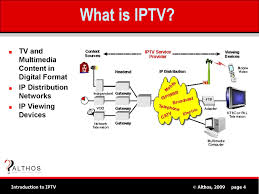
In the modern rapid virtual world, the method we engage with media is continuously changing. As an increasing number of individuals desire flexibility and personalization in their entertainment choices, IPTV services are rapidly gaining popularity. IPTV, or Internet Protocol Television, is transforming home entertainment by providing a variety of programming that addresses individual tastes and lifestyles. With its capability to offer on-demand entry to numerous of channels, movies, and shows, IPTV is rapidly replacing legacy cable TV solutions, making it a significant advancement for contemporary households.
This transition towards IPTV comes with a multitude of advantages that improve the viewing experience over what traditional television can deliver. From considerable financial savings to unmatched flexibility and convenience, IPTV platforms are tailored for the contemporary viewer. As we explore the key perks of IPTV, it is evident why so many people are choosing to transition and how this innovation is influencing the future of television. Whether you are a fan of sports, a enthusiast for worldwide shows, or a person who appreciates a customizable viewing experience, IPTV provides options for everyone.
Top Advantages of Internet Protocol Television
One of the most compelling advantages of IPTV is its adaptability. Unlike legacy television services that bind viewers to set schedules, IPTV allows users to watch their preferred shows and movies on demand. This means you can enjoy your content at any time, making it an perfect choice for individuals with busy lifestyles. Furthermore, you can access a vast library of available content, ensuring that there is always plenty available to watch at any moment.
Another key benefit of Internet Protocol Television is the excellent quality of streaming it offers. Most IPTV providers deliver premium content, which boosts the viewing experience, especially for fans of sports and live events. In many cases, IPTV services also support features such as pause, rewind, and skipping ahead, giving viewers more control over how they watch their programs. This level of interactivity is often lacking in conventional cable services, making IPTV a more interactive option.
Financial benefits are also a notable advantage of switching to IPTV. Many Internet Protocol Television providers offer competitive pricing compared to conventional cable subscriptions, allowing users to cut costs while still enjoying a broad selection of programming and options. Additionally, the absence of commitments or surprise charges often associated with cable services further enhances Internet Protocol Television's appeal. With these financial benefits combined with the convenience and flexibility it offers, it's no wonder that more people are making the switch to IPTV for their entertainment needs.
Internet Protocol Television vs Satellite TV
The main difference between IPTV and cable TV lies in the means of transmission. Satellite TV relies on cable connections transmitted straight to the audience, often requiring a wired connection to a service. In contrast, IPTV streams content over the internet, allowing for high versatility in how, when, and where audiences can access their favorite shows. This transition not only improves accessibility but also caters to the growing demand for immediate viewing options that satellite TV struggles to provide.
Another notable advantage of IPTV over satellite TV is the improved viewing experience. IPTV services enable users to stop, go back, or save live shows, features that are often limited in classic television. Furthermore, many IPTV providers offer a variety of content and choices tailored to personal tastes, making it easier for subscribers to modify their entertainment experience. This level of participation and personalization reflects the expectations of today's viewers, who crave control over their entertainment choices.
Price is also a critical factor when comparing IPTV to traditional TV. Europe IPTV to cable and satellite services typically come with increased monthly fees and supplemental fees for exclusive channels. Internet Protocol Television services, on the other hand, often provide more affordable packages with a diverse array of programming. This financial accessibility, combined with the absence of lengthy commitments and the ability to choose only the content that entertain users, contributes to the growing preference of IPTV as a intelligent alternative for home entertainment.
IPTV: A Glimpse into the Future
As tech continues to develop, IPTV is poised to become a key component of home entertainment. With improvements in internet connectivity and streaming capabilities, more households are moving away from conventional cable television. This transition is driven by the attraction of instant content and the ease that IPTV provides. Users can access a wide collection of programming tailored to their preferences, which is a significant departure from the fixed schedules of conventional television.
The global reach of IPTV is also expanding as content providers see the potential to target international audiences. This advantage allows viewers to experience diverse programming from around the world, accommodating different tongues and cultures. Additionally, developments in interactive elements and customizable viewing experiences will further improve viewer engagement, enabling audiences to tailor content to their specific tastes and ways of life.
In a world where consumers increasingly value flexibility and customization, IPTV is set to prosper. As more people embrace cutting the cord, IPTV providers will continue to enhance their offerings, focusing on high-quality streaming and competitive pricing. The future of television is not only about the media available but also about how consumers choose to experience it. With these developments in mind, IPTV is expected to redefine what it signifies to experience television in the years to ahead.